
Your curls are stringy and staying too crunchy
I had a client in the salon recently who said something I hear quite often:
She hates having “crunch” in her curls because when she uses enough product to create a cast, her hair can stay crunchy for a couple of days.
But if she uses less product, her curls look great initially… and by the next day they’ve gone fluffy.
And there’s a really simple reason this can happen:
There may not be enough water locked into the hair.
The goal isn't actually the crunch
When we style curly hair, the purpose of gel or another strong-hold product isn't to leave your hair hard and crunchy for days.
That crunchy feeling is simply the cast forming around the curl while the hair dries.
Underneath that cast, we want something very different happening.
We want the hair to be properly hydrated and holding onto water.
Once the hair is completely dry, that cast can be gently scrunched out, leaving the curls soft and touchable — while still giving them structure and protection.
But if there isn't enough water inside the hair in the first place, the curls can be stringy and stay crunchy.
The curl doesn't have enough hydration to maintain that beautiful, juicy curl formation.
So it starts expanding.
Separating.
Losing definition.
And becoming fluffy.
Curly hair needs water — not just moisturising products
This is one of the biggest things I teach my curly clients.
Water is hydration.
Conditioner, leave-ins and styling products can help the hair hold onto that water, soften the hair, reduce friction and create definition — but they don't replace water itself.
Think about what happens when you're styling your curls.
If your hair is already starting to dry before you apply your products, or you've squeezed most of the water out first, you may be trying to create hydrated curls without actually giving the hair enough water to hold onto.
Instead, I want the hair beautifully hydrated before we seal and style it.
That's why, in the salon, you'll often see us adding water back into the hair while we're working.
We're not trying to get rid of all that water before styling.
We're trying to get the hair to accept it and retain it.
So why does the crunch seem to stop the fluff?
Because a strong cast can temporarily hold everything together.
If you leave that cast sitting on the hair, ( always shake out your roots so you’re not walking around looking like you still have wet hair) curls will stay more controlled for longer if you leave a bit of the crunch in and let it scrunch out naturally with life.
If the hair underneath isn't holding enough water, once that cast breaks down — whether you scrunch it out or simply sleep on it for a night or two — the hair can start looking dry and fluffy again.
That's why simply adding more and more gel isn't always the answer.
You can have plenty of product sitting on the outside of the hair while still not having enough water retained within it.
Your curls should be soft AND last - this can take time though for your hair to get healthy and absorb the water easily.
This is the bit I really want curly-haired people to understand:
You shouldn't have to choose between crunchy curls that last and soft curls that turn fluffy tomorrow.
The aim is to create a curl that is hydrated first, then supported with the right styling products.
For many of my clients, that means:
Water → hydration → styling product → lock it in → completely dry → scrunch out the cast.
And the amount of water you need isn't the same for every head of curls.
Fine hair, coarse hair, high-density hair, damaged hair and different porosities can all behave differently. Even Cairns humidity can change what your curls need.
That's why copying somebody else's exact product routine doesn't always work.
Before you blame your gel…
If your curls look gorgeous on wash day but become fluffy very quickly, don't automatically assume you need a stronger gel or more product.
Have a look at what you're doing before the gel ever touches your hair.
Are your curls genuinely hydrated?
Are you styling with enough water?
Are you working that water into the hair rather than squeezing it all out?
Are you using products that help your particular hair hold onto that hydration?
And are you allowing your cast to dry completely before you break it?
Because sometimes the difference between curls that are fluffy tomorrow and curls that stay soft, hydrated and defined for days isn't another styling product.
It's water — and knowing how to keep it in your hair.
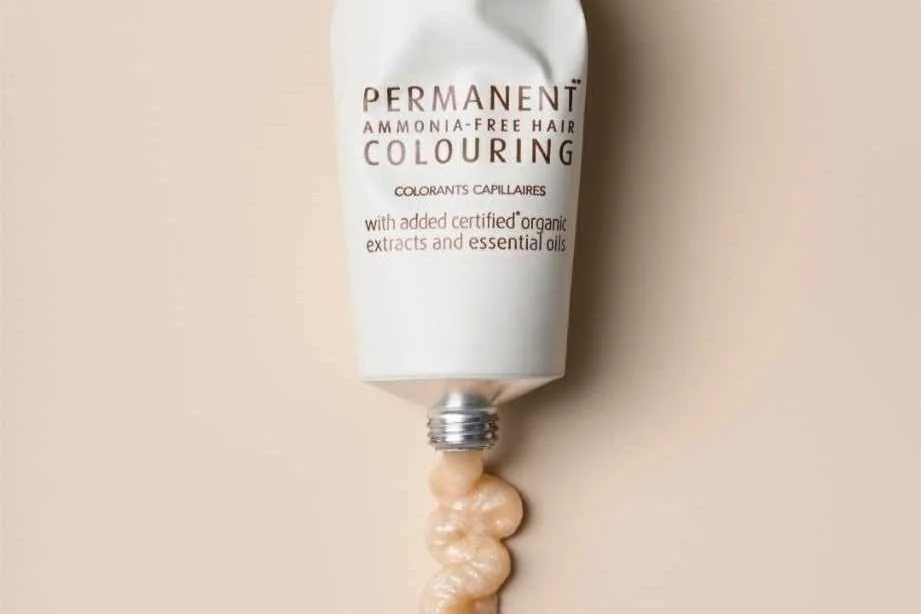
WHY ORGANIC COLOUR IS A GAME-CHANGER FOR YOUR HAIR.
Healthier Colour, Happier Curls 🌿
Did you know that the type of colour you choose can make a huge difference to your hair? If you’ve ever coloured your hair and felt it become dry, frizzy, or lost its bounce, you’re not alone. Most traditional colours contain harsh chemicals that strip the hair of its natural oils — which curls need to thrive.
That’s why we love Natulique professional hair colours which are 98.02% derived from organic or natural sources.
✅ Gentle on Your Hair but still Deliver the Results
Organic colour is free from harsh chemicals like ammonia and resorcinol, which means less damage and dryness. Your curls stay hydrated and soft.
✅ Long-Lasting Shine & Vibrancy
Because organic colour uses natural ingredients like plant oils and extracts, it enhances your hair’s health rather than stripping it. This means gorgeous shine and rich colour without compromising your hair.
✅ Less Frizz, More Definition
Healthy hair equals defined curls. Organic colour nourishes as it colours, so you don’t get that brittle feeling that often comes with traditional dyes.
✅ Better for You & the Environment
With fewer toxins and more natural ingredients, organic colour is safer for your scalp, your health, and our planet.
💡 Pro Tip: When you pair organic colour with a proper cut and chemical free products, your hair will look and feel better than ever — soft, bouncy, and full of life!

Your hair has an age… When we respect the age of your hair, everything changes
Here’s something most people never think about
Your hair has an age.
Not your age — but the age of your ends.
For example…
If your hair grows around 1–1.5cm a month, the ends of shoulder-length hair can easily be 3–5 years old.
That means those ends have lived through:
• heat styling
• sun exposure
• brushing
• colouring
• stress
• hormones
• everyday wear and tear
And yet we often expect them to behave like brand-new hair.
✨ This is why:
– Hair can feel dry no matter what product you use
– Curls lose their bounce
– Ends snap, tangle or feel rough
– Hair won’t “grow” past a certain point
It’s not that your hair is failing you — it’s simply aging.
Just like skin, older hair needs:
💧 more hydration
🌀 targeted treatments
When we respect the age of your hair, everything changes.
Your curls respond better.
Your hair feels softer.
Your growth improves — because healthy ends don’t break.
Next time you’re frustrated with your hair, ask yourself:
“How old are my ends… and am I caring for them accordingly?”
If you’re unsure what your hair truly needs right now, I’d love to help you create a plan that supports where your hair is at, not where you wish it was.
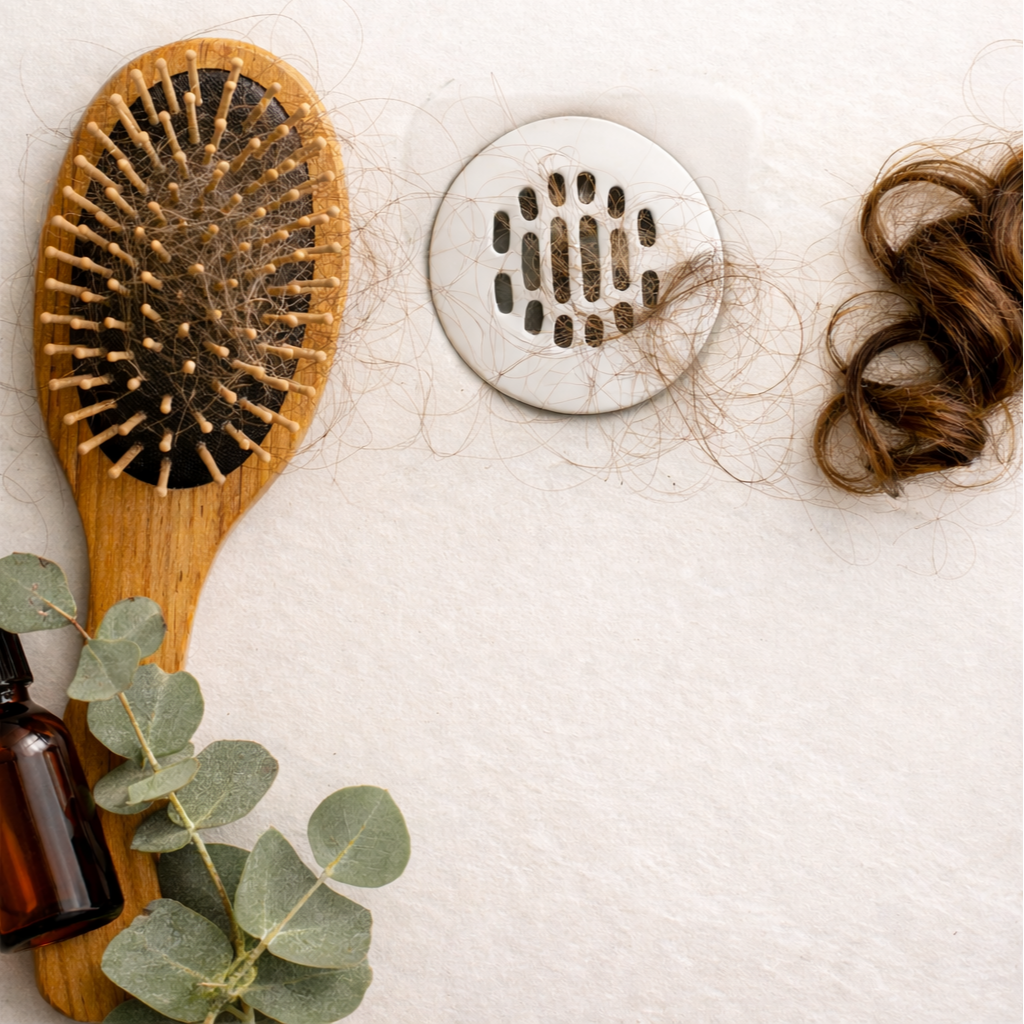
Let’s Talk About Hair Shedding (What’s Normal & When to Look Closer)
Let’s talk about something that worries a lot of clients — hair shedding.
First, some reassurance:
Losing 50–150 hairs per day is completely normal — and curlies often notice it more as we wash and brush our hair less. Our hair doesn’t fall as easily throughout the day, so it tends to show up all at once in the shower.
What normal shedding looks like
✔️ No clear gaps or see-through areas on the scalp
✔️ Shedding feels steady, not sudden, the same each week
✔️ Your density still looks and feels the same once styled
This is your natural hair cycle doing its job.
When shedding is often stress-related
Stress doesn’t just affect your mood — it can change how your hair grows. When life gets overwhelming, the body shifts into survival mode. Hair growth becomes less of a priority, and shedding can increase. Chronic stress raises cortisol, which shifts blood flow away from the scalp, shortens hair growth cycles, and pushes more hair into shedding.
Sometimes shedding increases after:
• Illness or surgery
• Major stress or emotional load
• Hormonal shifts or postpartum
This is called telogen effluvium, and it usually shows up 6–12 weeks after the trigger — not during it.
You may notice:
• Short, fragile regrowth
• A scalp that feels tight or sensitive
• Growth seeming slower than usual
• Hair everywhere when washing or brushing
• A ponytail that feels smaller
• Overall coverage feels lighter, but still even
This can feel alarming — but it’s often temporary.
Stress-related hair changes can improve. Supporting your hair means supporting your body:
• Finding ways to manage stress
• Prioritising sleep and stable blood sugar
• Nourishing your body consistently
• Calming scalp inflammation
• Feeling heard and understood
When we address hair loss from this perspective, it’s not about quick fixes — it’s about understanding what your hair is telling you and working with your body to restore balance.
Red flags that need a closer look
🚩 Patchy or uneven hair loss
🚩 Burning, pain, tenderness, or bumps on the scalp
🚩 Sudden visible scalp plus heavy shedding
🚩 Hair loss that feels fast or aggressive
Not all shedding is created equal.
The difference that matters
It’s not just about how much hair you’re losing.
What really matters is how and why it’s happening.
We look at the story behind the shedding, including:
• When it started — often weeks after stress, illness, or hormonal shifts
• How long it’s been going on — short-term or ongoing
• Where and how the hair is thinning — even shedding or uneven loss
• What the scalp looks and feels like — calm and healthy, or irritated and inflamed
Why hair loss often starts inside the body
Hair loss rarely begins at the scalp. It usually reflects internal shifts such as:
Iron status
Low iron doesn’t always show as anaemia. Hair follicles are highly sensitive to iron availability, and hair is often the first place the body reduces support.
Thyroid optimisation
Clients can be “within range” or on thyroid medication and still not be optimised for hair growth. Hair responds to subtle hormonal imbalances long before other symptoms appear.
Vitamin D
Vitamin D isn’t just for bones — it plays a role in:
• Follicle cycling
• Immune regulation
• Inflammatory control
Deficiency can disrupt healthy hair cycles.
Hormones & inflammation
Hair loss isn’t always about “too much DHT.”
It’s about:
• How sensitive the follicle is
• How inflamed the scalp environment is
Inflammation changes how follicles respond to normal hormonal signals.
Why hair loss products “stop working”
When clients say:
“My hair loss products don’t work anymore”
It’s rarely the product.
More often, the scalp environment has changed due to:
• Chronic stress load
• Hormonal shifts
• Inflammation
• Product or mineral build-up
• Nutrient deficiencies
Without addressing the why, products are just guesses.
When you understand how to tell the difference, you stop guessing and start guiding your hair with confidence 🤍
If you’re unsure what you’re experiencing, we’re always here to help you look a little deeper.
Feed Your Hair: Nutrition That Makes a Difference
Did you know your hair cells are some of the fastest-growing in your body? That means they have a big appetite for nutrients — and if they don’t get what they need, your hair often shows it first. Slow growth, thinning, and shedding can all be signs your hair is craving better nutrition.
Here’s a guide to the key nutrients your hair needs to stay strong, shiny, and healthy.
Quick note: If you’re experiencing significant hair loss or suspect a deficiency, it’s always best to consult a doctor or trichologist. Nutrition is essential, but professional guidance ensures you get the support you need.
Protein – Your Hair’s Building Block
Hair is mostly protein, so not enough can lead to weak strands and extra shedding.
Include: lean meats, eggs, fish, legumes, nuts.
Iron – Oxygen for Your Follicles
Iron carries oxygen to your hair, keeping growth healthy. Low iron is a common cause of thinning, especially in women.
Include: lentils, oysters, spinach, red meat.
Vitamin D – Keep the Cycle Going
Vitamin D helps maintain hair follicle cycles and density.
Include: fatty fish (salmon, mackerel), fortified milk or juices, mushrooms, plus safe sun exposure.
B-Vitamins – Growth Supporters
Certain B vitamins, like folate, help create red blood cells that deliver nutrients to your scalp.
Include: whole grains, eggs, avocados, legumes, meat, fish.
Minerals – Strength & Repair
Zinc and selenium are essential for hair tissue growth and repair. Deficiencies can contribute to thinning.
Zinc: oysters, beef, pumpkin seeds, legumes
Selenium: Brazil nuts, tuna, eggs, sunflower seeds
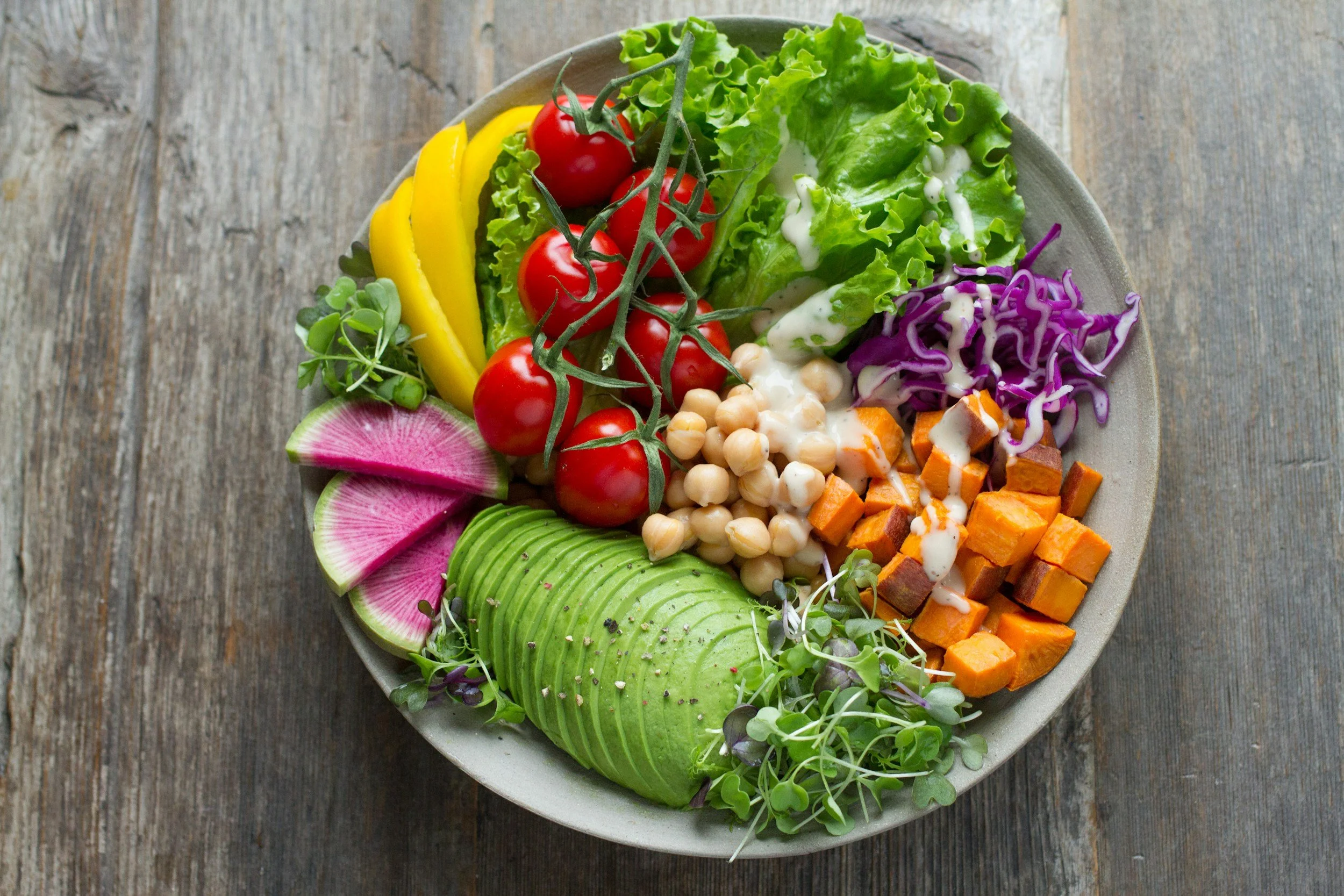
The Pro-Hair Plate
For maximum hair health, focus on a balanced diet with:
Lean proteins
Colourful fruits & vegetables
Healthy fats (avocado, nuts, seeds, omega-3 rich fish)
Consistently nourishing your body gives your hair the strength, shine, and density it needs to thrive.

Oils That Support Hair Growth & Scalp Balance
When it comes to essential oils and hair health, I always remind clients that hair growth is a long game, not a quick fix. Oils don’t force hair to grow — instead, they support the conditions the scalp needs so growth can happen naturally and sustainably.
Not all essential oils are created equal. Some have research showing they influence hair growth pathways directly, while others focus on calming the scalp, improving barrier function, or supporting circulation. Even oils that don’t “regrow” hair play an important role, because an inflamed, congested, or stressed scalp will struggle to grow healthy hair no matter what you apply.
From a holistic perspective, hair growth depends on:
consistent blood flow to the follicles
balanced inflammatory responses
adequate nutrient delivery
nervous system and stress regulation
and a scalp environment that feels calm, hydrated, and supported
Essential oils can influence several of these at once, which is why they can be such a beautiful support when shedding or thinning is present.
I personally like to work with the hair cycle rather than against it. That means gentle, regular support over time instead of aggressive treatments that can irritate the scalp or create dependency. When appropriate, I’ll always explore natural options first — including essential oils — before moving toward medical treatments like Minoxidil.
Essential oils I use and why:
Rosemary — circulation & follicle support
Rosemary is one of the most studied essential oils for hair thinning and shedding. Research suggests it can improve hair count over time while being far gentler on the scalp than topical medications. I often recommend it for early-stage thinning, post-stress shedding, or when the scalp feels sluggish or under-stimulated.
Red Thyme — stress shedding & nutrient support
Red thyme is particularly useful when shedding is linked to stress, low iron patterns, or prolonged fatigue. It supports iron utilisation and helps send growth signals at the follicle level. This is especially relevant for telogen effluvium, which is a temporary shedding condition where hair enters the resting phase too early due to stress, illness, hormonal shifts, or nutrient depletion. Supporting the scalp during this phase is key to encouraging healthy regrowth.
Lavender — growth phase support & scalp resilience
Lavender supports the hair’s growth phase and is ideal for fragile, slow-growing, or easily damaged hair. Research suggests it helps follicles stay in the growth phase longer and supports scalp tissue health. It’s also deeply calming to the nervous system, which matters more than most people realise when stress-related hair shedding is involved.
Sage — inflammation & scalp balance
Sage is one of my go-to oils for sensitive, inflamed, or reactive scalps. It helps calm inflammatory signals, supports antioxidant defence, and keeps the scalp microbiome balanced. A calm scalp creates the foundation for stronger, more consistent growth.
Ylang Ylang — oil balance & daily tolerance
Ylang ylang helps regulate oil production and supports the scalp barrier, making it ideal for oily, flaky, or reactive scalps. It also improves tolerance when essential oils are used regularly — which is crucial, because consistent application over time matters far more than high-strength treatments used sporadically.
Blends over single oils
Hair growth is never driven by just one pathway, so blends tend to work better than single oils. Each oil supports a different aspect — circulation, inflammation control, growth signaling, or barrier repair.
Blending also allows for lower concentrations of each oil, reducing irritation while increasing overall support. This leads to better scalp comfort, better consistency, and ultimately better long-term results.
Disclaimer
This information is shared for educational purposes only and reflects a holistic approach to scalp and hair support. Essential oils are not a medical treatment, and individual results will vary. Hair shedding and thinning can have multiple underlying causes. I am not a specialist in this field, this is just from my own research. Please consult a qualified healthcare professional before starting new treatments or if hair loss is persistent or concerning.
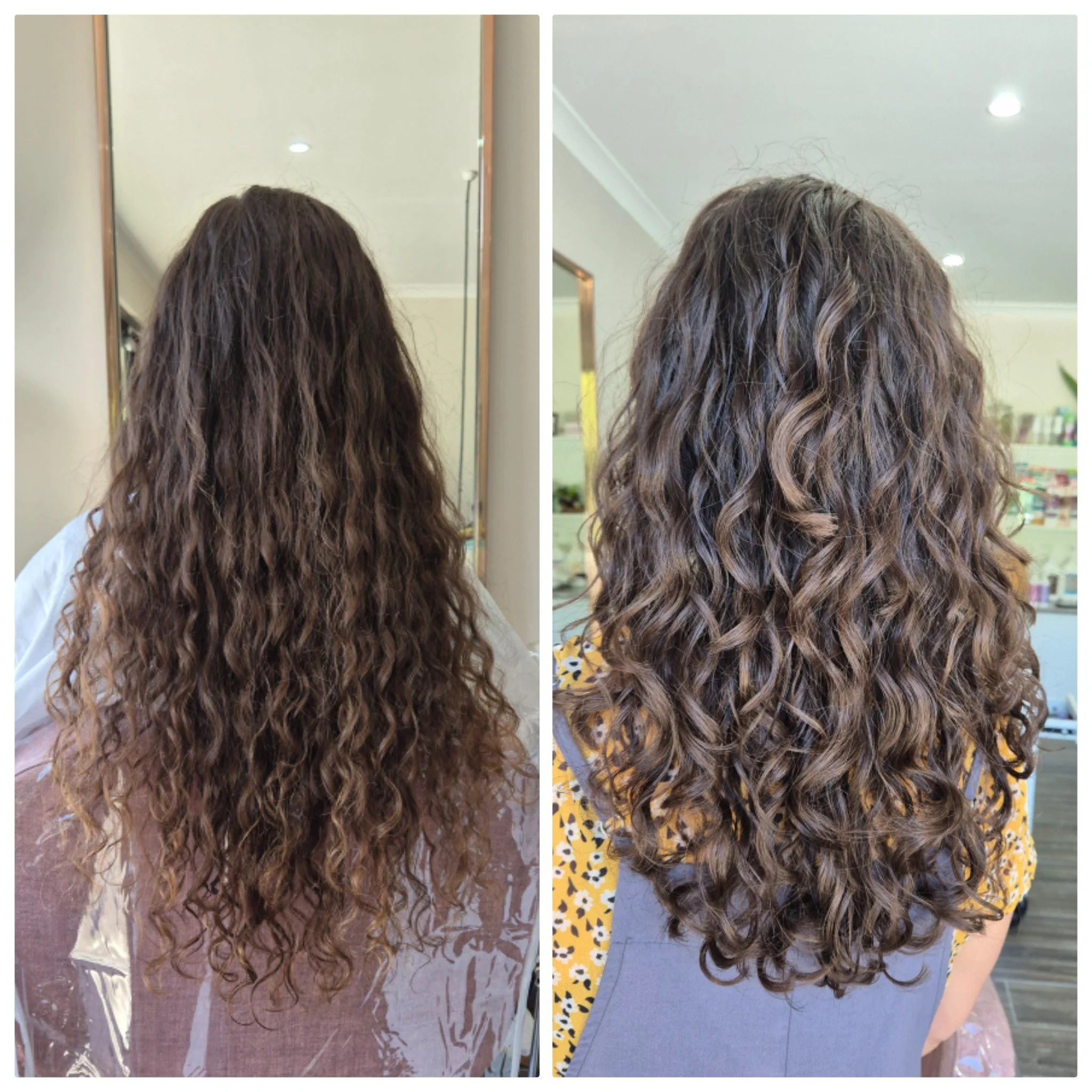
The Truth About Curls (That No One Really Talks About)
There’s something I really want every curly person to hear:
There is no such thing as perfect curls.
Some curls are loose. Some are tight. Some days they behave beautifully, and other days they absolutely don’t — and none of that means you’re doing anything wrong.
One of the biggest myths around curly hair is that all curls should look the same. Defined. Uniform. Predictable. But real curls don’t work like that. Most people have multiple curl patterns, different textures, and varying porosity all on one head of hair. That means one section might coil easily, another might wave, and another might feel like it’s doing its own thing entirely.
And that’s normal.
Not everyone’s curls will be super defined — and definition isn’t the measure of healthy hair. Healthy curls are curls that are cared for, respected, and supported, not forced into a shape they’re not meant to hold.
It’s also completely normal to have sections that aren’t curly at all. The hair around the crown, the nape, or the front can behave very differently, especially if there’s been past heat, stress, hormonal changes, or natural variation in the hair follicle. Curly hair is dynamic — it changes with life, with seasons, and with how we care for it.
What does make a difference is learning what your curls need to thrive.
With the right care — hydration, gentle handling, scalp support, and realistic expectations — curls soften, strengthen, and show up in the best version of themselves. Not perfect. Not uniform. But yours.
There is so much beauty in imperfection. In texture. In movement. In curls that don’t match but somehow still belong together.
Loving your curls isn’t about controlling them — it’s about working with what they naturally want to do and supporting them along the way.
Your curls don’t need fixing.
They need understanding
The Secret to Perfectly Conditioned Curls
Here’s something most people get wrong about curly hair: conditioner isn’t meant to be rinsed out completely.
When you rinse out all your conditioner, you’re taking away the hydration your curls need to stay soft, defined, and frizz-free. Curly hair is naturally drier, so it needs extra moisture — and water + conditioner is the perfect duo to lock it in.
Here’s the truth:
Water is your hair’s best friend.
The real magic happens when water and conditioner work together. Conditioner helps seal in that water, giving your curls the hydration they crave. If you skip this, your hair will always feel dry and thirsty.
So, how do you do it right?
🌸 Start with soaking-wet hair. Water is the foundation of moisture. Apply conditioner while your hair is dripping wet to help it penetrate. Picture you are squishing the conditioner and water together into the centre of each hair strand. Brush through with a gentle brush designed for brushing wet hair.
🌸 Use enough conditioner to coat every strand. Usually a quarter of what you would normally use. Focus on mid-lengths and ends.
🌸 Don’t rinse it out. It is up to you, finer hair you might rinse half to ¾ out or if you have normal hair you may just do a light rinse. Or you may not rinse at all if you are using the right conditioner for your hair type. If it’s fine or oily you won’t want any conditioner on your root area) Your hair should feel soft and slippery, not squeaky clean after the hydration.
🌸 Finish with a little extra water. Add some water back in ( cup your hands under the shower with your head upside down or do side to side ) and scrunch it through your curls — this helps your curls clump beautifully.
Conditioner isn’t about making your hair heavy — it’s about giving your curls the moisture they need to thrive. When you pair this with water and the right styling routine, your curls will stay hydrated, bouncy, and frizz-free for days.
Water is the key to hydration
Your curls will thank you
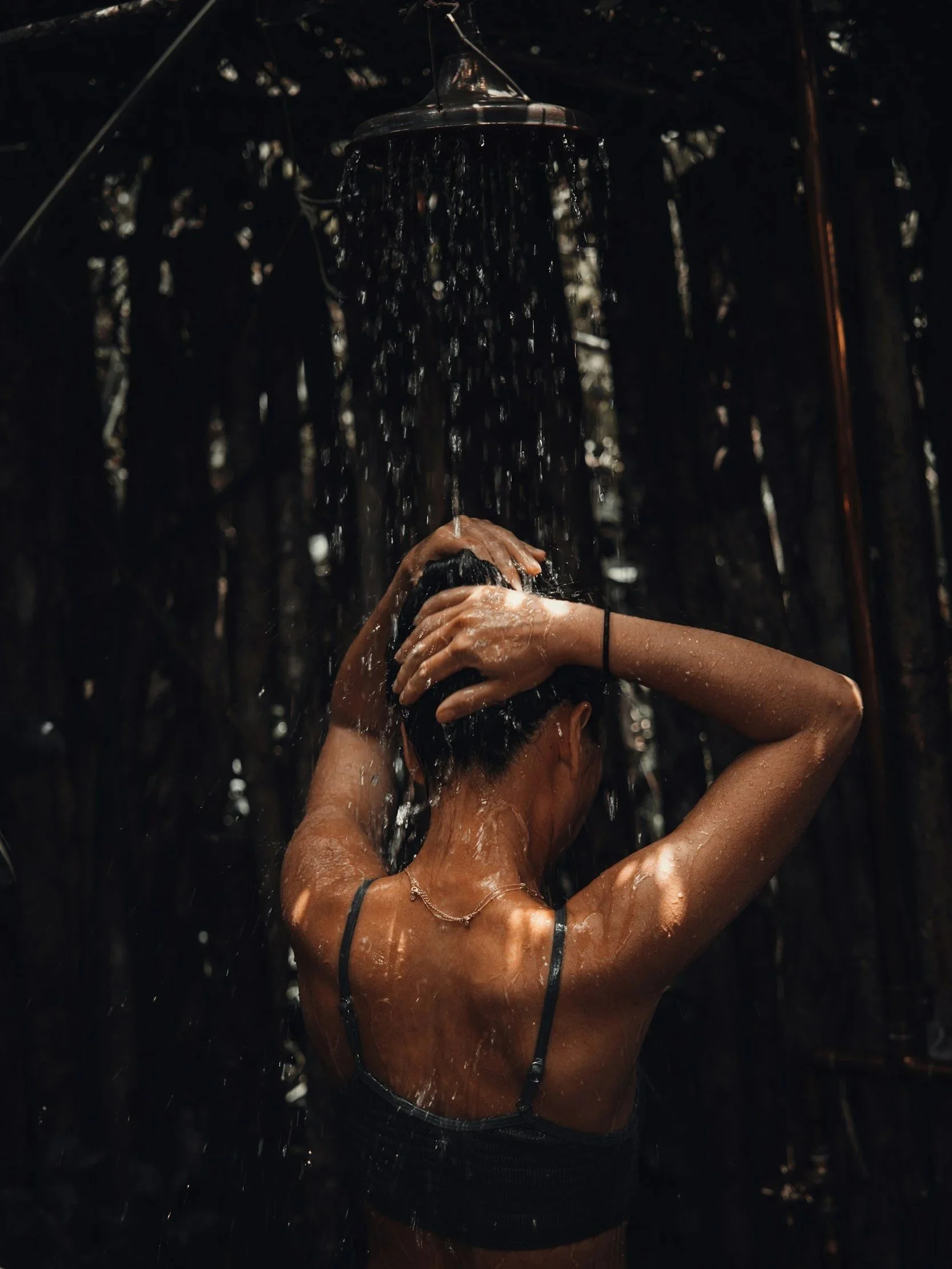
How to handle soaking wet curls from the shower.
If there’s one moment that can make or break your curls, it’s right after you step out of the shower. So much goes wrong here: wrapping hair in a turban that’s too rough, squeezing too hard, or drying too fast — all of it can lead to frizz and fluffiness.
Here’s the good news: it doesn’t have to be that way. The key is simple — water is your friend, not the enemy.
The right way to handle soaking wet curls:
🌸 Leave the water in. Water is your curl’s best friend and keeps them hydrated and clumped.
🌸 Use a shower cap first. Place a lightweight shower cap over your hair to catch drips while keeping the curls contained.
🌸 Wrap a turban on top. Put your turban over the shower cap to absorb any drips around the edges.
By respecting your curls when they’re wet and letting water work its magic, you’ll have soft, hydrated, and frizz-free hair ready for styling.
Your curls deserve this gentle start
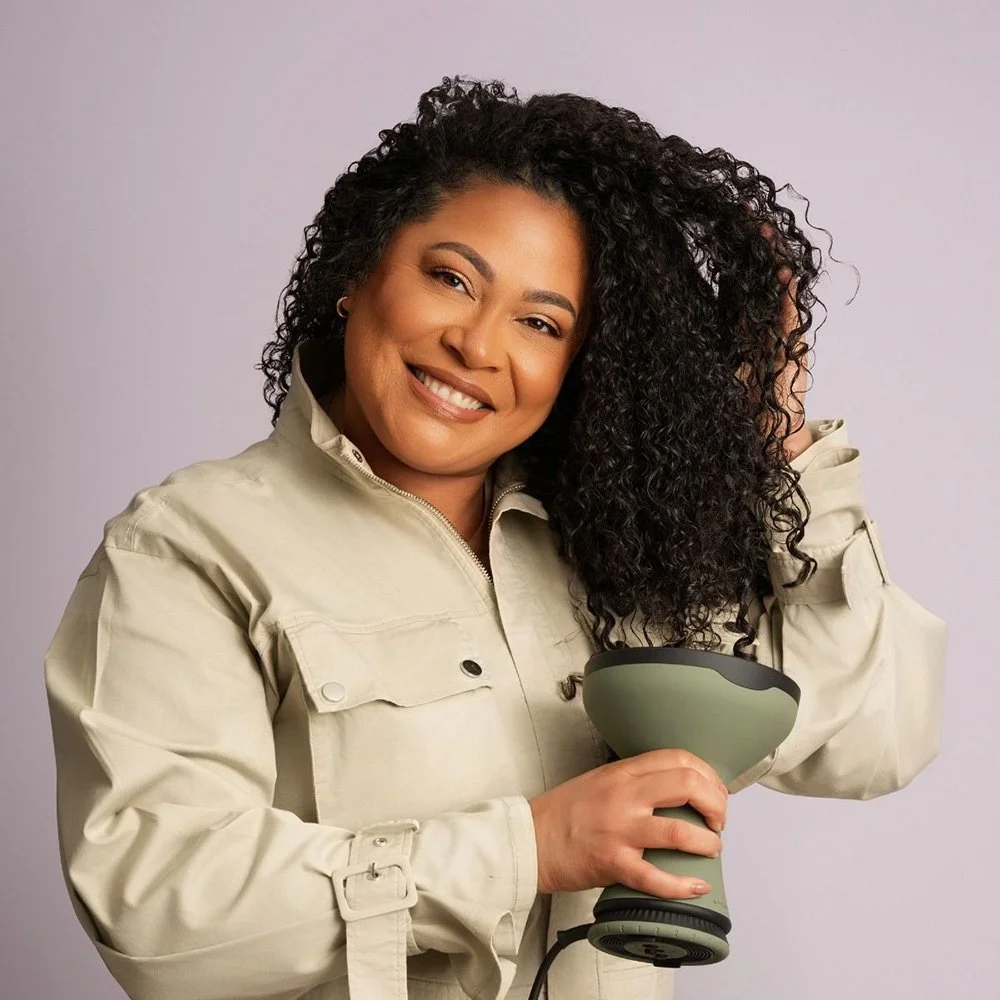
Diffuse or Air-Dry?
WHICH ONE IS BEST FOR YOUR CURLS?
You’ve applied your products and your curls are looking amazing — now comes the big question: How should you dry your hair?
Should you air-dry naturally or diffuse with a blow dryer? The truth is, both methods work… but the results are very different.
Air-Drying:
✔ Gentle and heat-free
✔ Keeps your curls soft and natural
✔ Perfect for when you have time to let your hair dry completely
But: It takes longer, and if you move around too much while it’s drying, frizz can sneak in.
Diffusing:
✔ Speeds up drying time
✔ Adds volume and bounce
✔ Helps lock in curl definition when done correctly
But: You need to use low to medium heat and low speed to protect your curls from frizz and damage.
If you are wanting volume, tip your head upside down, using a pick you can lift up the roots just a little bit so you’re not stretching out the curl at the roots but you’re bring the hair out 90 degrees out from the scalp just at the roots( I have video’s in my online course of this ) or diffuse your hair the opposite way you want your hair to go. Start at your tips and gently go up to your roots keeping your curls in there clumps, hold for a few seconds at your roots than gently go back down working your way around your head.
My tip: If you want big, bouncy curls with staying power, diffusing is a game-changer. Just make sure your hair is about 80–90% dry before touching it, and always keep the diffuser moving to avoid heat spots.
Both methods work beautifully — it’s all about what suits your lifestyle and your curl goals.
Your curls, your choice — but now you know how to get the best results either way!
Don’t be afraid of the CRUNCH
You’ve washed, conditioned, and hydrated your curls — now comes the part that can make or break your style: styling products.
Here’s the thing most people don’t realize: it’s not just what you use, but how and when you use it.
If you’ve ever felt your curls go “crunchy” after styling and thought, oh no, I did something wrong, I’m here to tell you — that crunch is actually a good thing!
I often see clients apply too little product (hello frizz!) or too much (hello crunchy, weighed-down curls). And then there’s the biggest myth of all…
Myth: Gel makes your curls hard and crunchy.
Truth: When you apply your styling products to wet hair (and enough of them!), they create a protective cast around each curl. This locks in all the water and hydration you added in the shower, helping your curls stay defined and frizz-free for days.
The best part? That crunch is temporary. Once your curls are completely dry, all you need to do is gently scrunch out the crunch. And then… hello soft, bouncy, beautiful curls that last!
The keys to long-lasting curls:
🌸 Apply on soaking-wet hair. Water is your best styling tool. Always start styling while your hair is still dripping wet.
🌸 Use enough product — and coat every strand. Don’t be shy! If your hair feels slimy before it dries, you’ve done it right.
🌸 Scrunch, then leave it alone. Once your curls are styled, resist the urge to touch them until completely dry. This helps the cast form and prevents frizz.
🌸 Break the cast when dry. Once your hair is fully dry, gently scrunch to reveal soft, defined curls.
The right styling routine can take your curls from frizzy and flat to defined and gorgeous for days. And remember — styling products aren’t about control, they’re about protection. They keep the hydration you worked so hard to add from escaping!
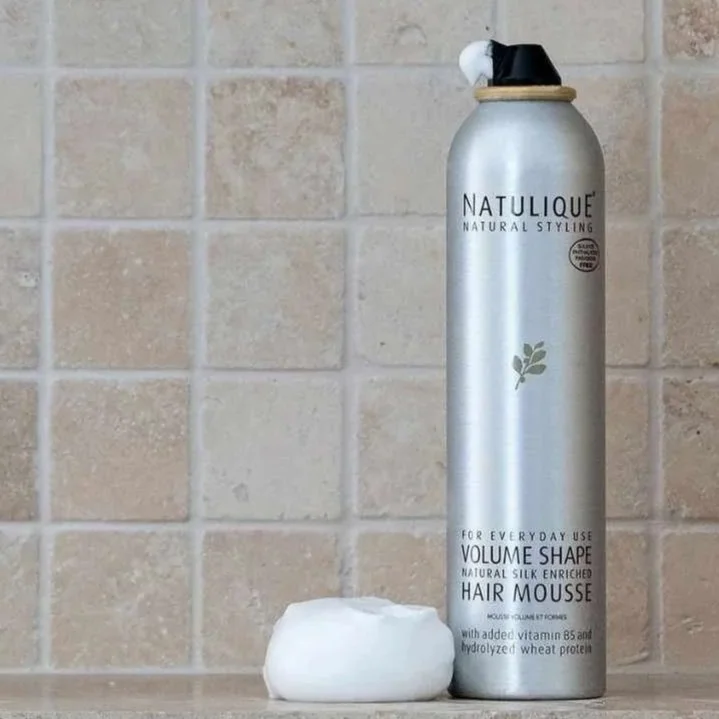
my go-to product combo for lasting curl definition - For longer-lasting curls, I always start with a mousse. Mousse adds extra hydration by re-wetting your hair, which helps lock in moisture before you layer on your gel. This extra water means better clumping, more bounce, and curls that hold their shape for days
Natulique Mousse on wet hair - how much water you leave in, will depend on your hair & your environment, The Natulique mousse contains humectant ingredients, which help draw in moisture. If your hair struggles to absorb water, try lightly misting your curls with water after applying the mousse — this helps the humectants do their job and lock in even more hydration. Brush this product through the hair.
Natulique Styling Gel is a rich, concentrated formula — so a little goes a long way. Use a small amount (about a 5cm piece) at a time and scrunch it into your hair, starting from the ends and gently working upward with your curls cupped in your hands. This technique helps set the shape and encourages bounce. Because Natulique Gel is an anti-humectant, it locks in all that precious water, giving your curls longer-lasting definition and frizz protection.
Want an extra boost? Try this game-changing step:
To finish your routine, spray on a chemical-free hair spray while your curls are still wet. Why?
✔ It cuts drying time (yes, really!)
✔ It gives your curls longevity so they last for days
✔ It helps reduce frizz without making your hair feel stiff
And here’s the truth: don’t be afraid of hairspray when you use the right one. If it’s applied on wet hair and made with nourishing ingredients, once you scrunch out the crunch, your hair won’t feel like it has hairspray in it at all. My 2 favorites are - Natulique & Eco Style Project
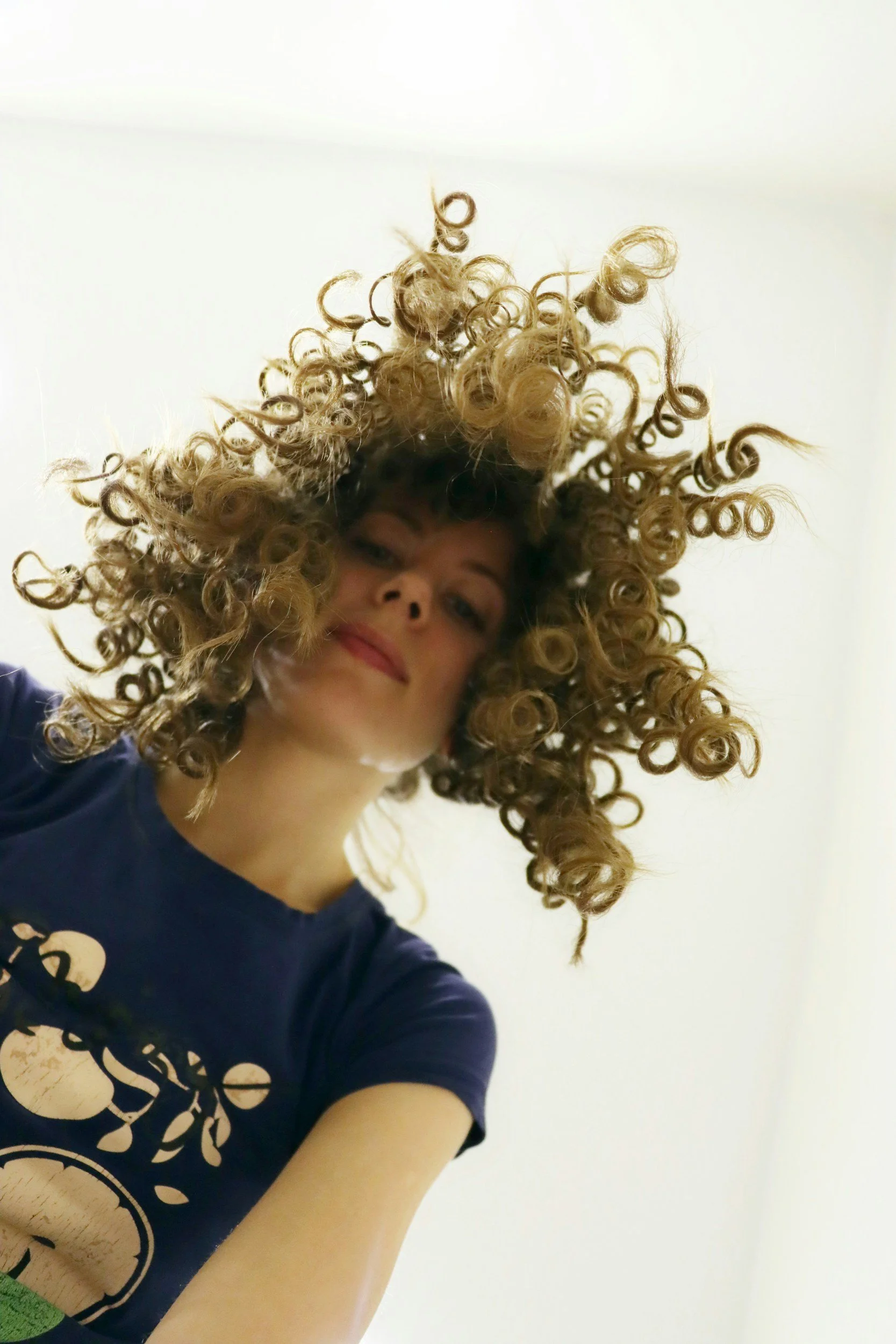
MAINTAINING CURLS DOESN’T REQUIRE DAILY WASHING.
Refreshing
I’m about to share all my secrets for keeping your curls looking defined, bouncy, and frizz-free between wash days. Whether it’s Day 2, Day 3, or after a sweaty workout, these tips will help your curls thrive!
1️⃣ Always Tackle Frizz First
Start with a curl cream, leave-in conditioner (spray or cream), mousse, wax, or a lightweight gel. Mousse and gels work best from Day 3 onwards — they’re heavier and can weigh down your hair if used too early.
2️⃣ Warm It Up
Apply a small amount to your palms and emulsify. This warms the product so it spreads easily. Apply upside down for lift or top-down to smooth volume.
3️⃣ Bring Stray Curls Back to Life
For straighter pieces, hydrate with a spray mister. Take the clump in your palms, saturate with water, then gently scrunch the curl up. Pulsate at the roots and let it fall naturally. Frizzier hair? A little product can help — sometimes water alone is enough to reactivate what’s already in your hair.
4️⃣ Refreshing Technique Matters
Use praying hands when refreshing all your hair to smooth frizz. Avoid raking through — this breaks up curl clumps and creates more frizz.
5️⃣ Less is More
Be mindful of how much product is already in your hair. Start small — you can always add more. On wash day, heavier application can give your curls hold for Days 2 & 3.
6️⃣ Oils vs Thicker Products
Oils are great for shine but too thin to re-clump curls. Thicker products keep curls clumped and add shine. Just avoid heavy application at the roots to prevent greasiness.
7️⃣ Keeping Curls Intact During Workouts
Long Hair:
High ponytail with a silk or satin scrunchie — loosely pull back to avoid stretching roots.
Loose bun: Tip head upside down, wrap hair gently, secure with a scrunchie.
Big claw clip for lower-impact workouts.
After exercising, shake hair out, let it settle for 10 minutes, then refresh.
Short Hair:
Clip the top/front back or use a scrunchie.
Headbands help keep hair off your neck.
💡 Pro Tip for Exercise Lovers:
If you’re active and wear your hair up most days, make sure to squish in conditioner and apply a little product. This keeps your hair hydrated, so when you want to wear it down, your curls will look amazing.
With these techniques, you’ll have them looking refreshed and fabulous all week long.
Scalp Health: Why the Wrong Products Can Prevent Real Results
Have you ever felt like you've tried every shampoo on the shelf, but nothing seems to improve your scalp?
You're not alone.
One of the most common things I see in the salon is clients using products that simply aren't right for their scalp. Many have been using the same products for years because they assumed they were doing the right thing.
The problem is, your scalp changes over time.
Hormones, stress, age, medications, diet, climate, and even your health can all change what your scalp needs. A shampoo that worked perfectly five years ago may no longer be the right choice today.
Your Scalp Is More Than Just Skin
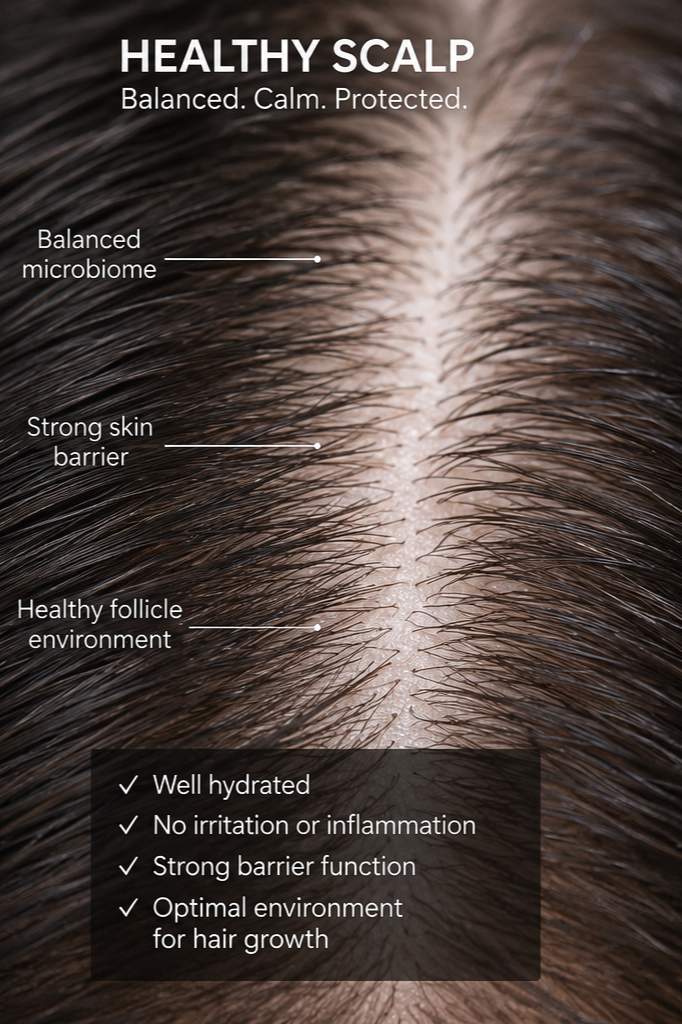
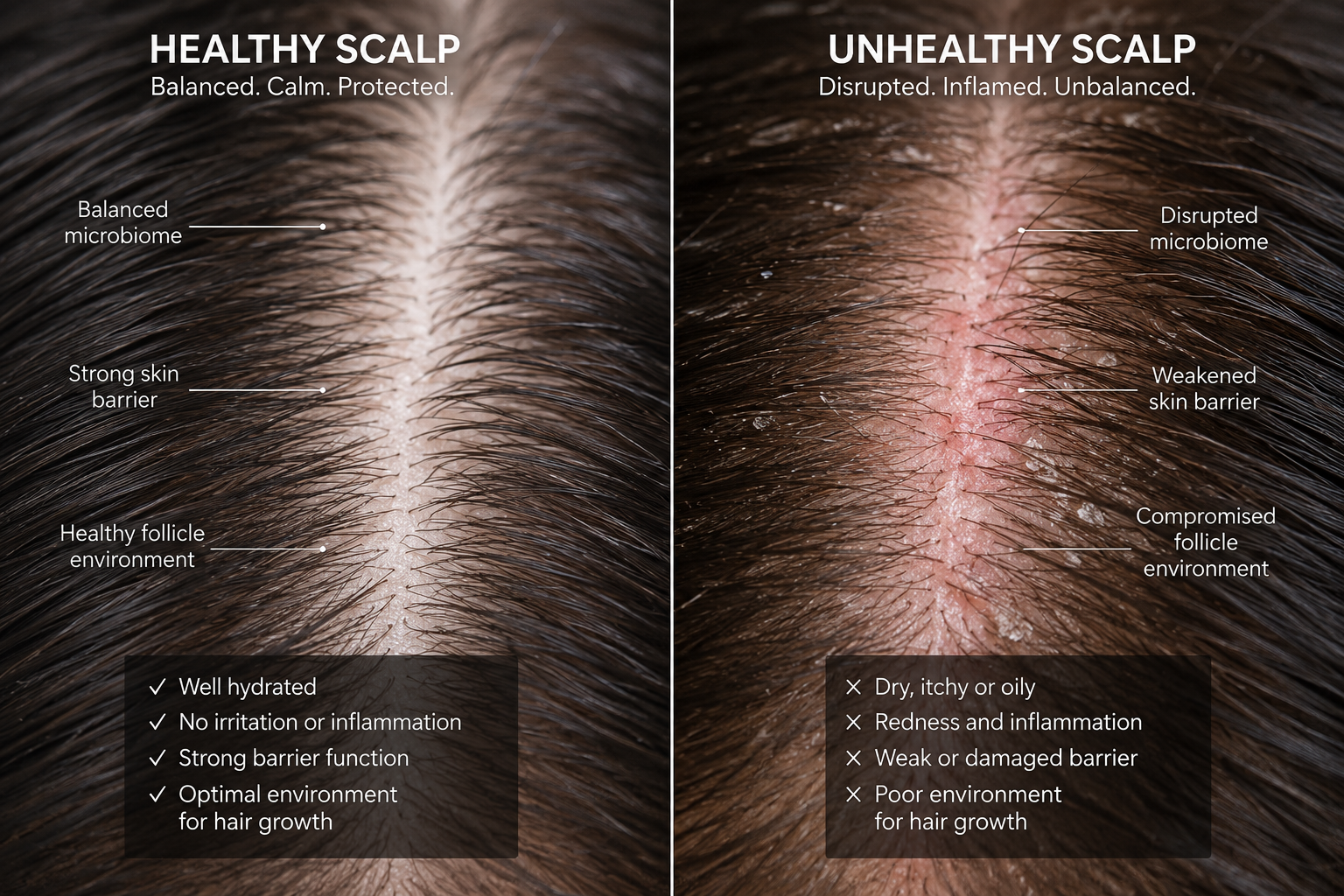
Your scalp isn't just somewhere your hair grows from. It's a living ecosystem with its own protective barrier and microbiome—a community of beneficial bacteria and microorganisms that help keep your scalp healthy.
When this ecosystem is balanced, your scalp can regulate oil production, protect itself from irritation, and provide the ideal environment for healthy hair growth.
When it's out of balance, problems start to appear.
An oily scalp doesn't always mean you're producing too much oil.
A dry scalp doesn't always mean you simply need more moisture.
These can both be signs that your scalp's natural balance has been disrupted.
Why Using the Wrong Products Can Make Things Worse
It's easy to assume that if your scalp is oily, you need the strongest cleansing shampoo you can find.
In reality, stripping away too much oil can cause your scalp to work even harder, often producing even more oil to protect itself.
On the other hand, if your scalp feels dry or itchy, applying heavy oils isn't always the answer. If your scalp's protective barrier has been damaged, it needs hydration and repair not just something sitting on the surface.
That's why using products designed for the wrong scalp type can leave you feeling like nothing ever works.
One Size Doesn't Fit Every Scalp
Every scalp is different, which is why I never believe in recommending the same products to everyone.
Generally speaking:
Oily scalps need products that help regulate oil production without over-drying the skin.
Dry scalps need hydration and support to repair the scalp's protective barrier.
Sensitive or irritated scalps need calming ingredients that help restore balance to the microbiome.
The right products don't fight your scalp—they help it function the way it was designed to.
Healthy Hair Starts with a Healthy Scalp
If you're struggling with excessive oiliness, dryness, irritation, flaking, or even hair thinning, the answer may not be another hair product.
It may be your scalp asking for something different.
Before focusing on hair growth treatments or trying the latest miracle product, it's important to create a healthy foundation.
When your scalp is balanced, your hair follicles have the best possible environment to grow stronger, healthier hair.
Because beautiful hair doesn't begin with the hair itself.
It begins with a healthy scalp.
Ferritin and Hair Loss: Why Low Iron Stores Could Be Stopping Your Hair from Growing
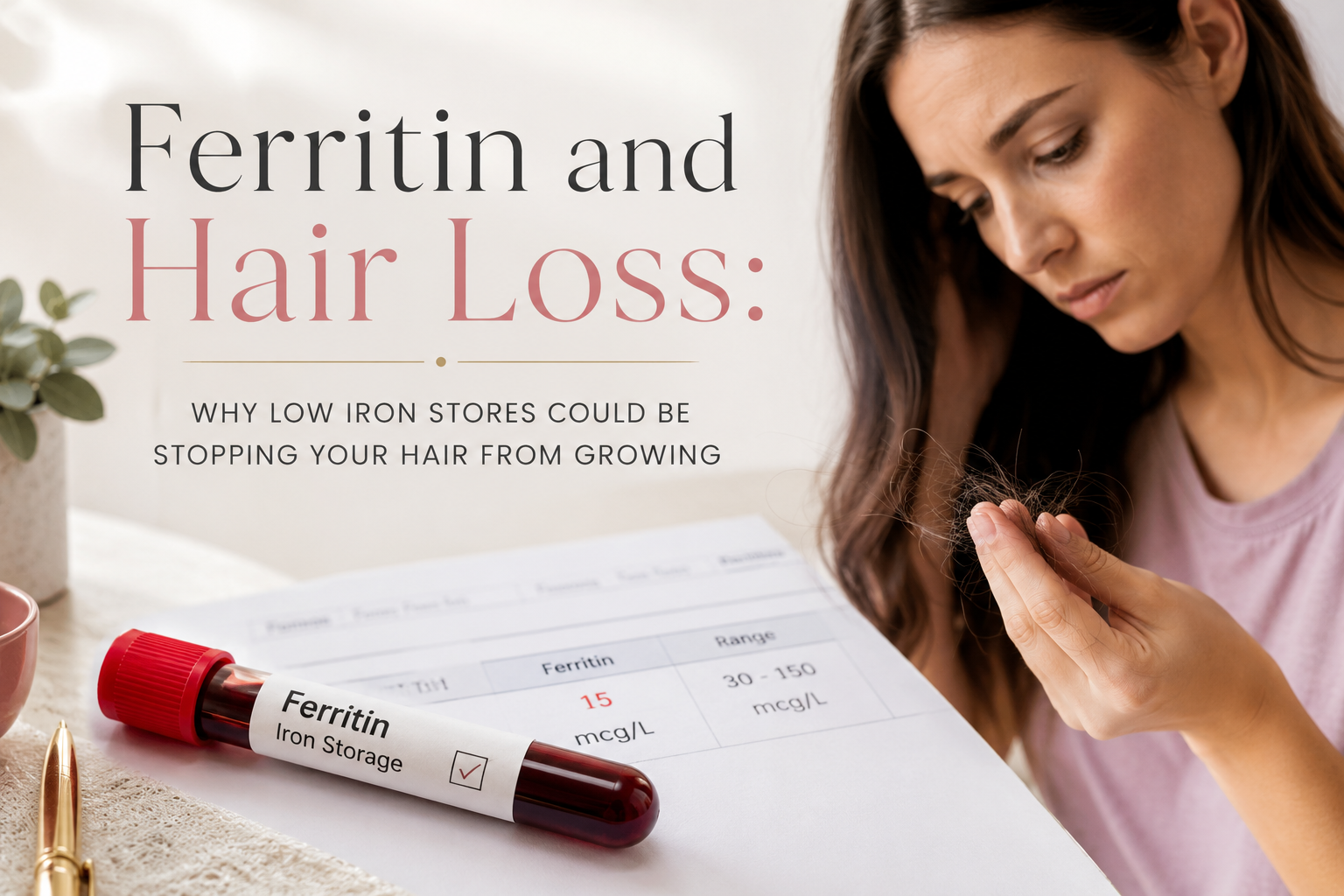
When women think about iron deficiency, they usually think about feeling tired, run down or lightheaded.
What many don't realise is that one of the earliest signs of depleted iron stores can be increased hair shedding.
I've seen countless women who have been told their iron levels are "normal," yet they're losing handfuls of hair every time they wash or brush it. Others have been taking iron supplements for months without seeing any change in their ferritin levels—or their hair.
So why does this happen?
The answer lies in understanding what ferritin actually is.
What is ferritin?
Ferritin is your body's iron storage protein.
Think of it as your iron savings account. Your body stores iron inside ferritin so it has a reserve available whenever it's needed.
Hair follicles are among the most metabolically active tissues in the body. Growing healthy hair requires a constant supply of oxygen and nutrients, and iron plays an essential role in delivering oxygen to rapidly dividing cells.
When ferritin stores become depleted, your body starts prioritising essential organs such as your heart and brain. Hair isn't considered essential for survival, so your follicles may receive fewer resources.
The result?
More hairs enter the resting phase of the hair cycle, leading to increased shedding several months later.
Does low ferritin always cause hair loss?
Not necessarily.
Hair loss is complex, and ferritin is only one piece of the puzzle.
Some people with low ferritin never notice excessive shedding, while others experience significant hair loss even when their ferritin is only mildly reduced.
Research suggests that low iron stores may contribute to certain types of hair loss, particularly diffuse shedding (telogen effluvium), although the exact relationship is still being studied.
This is why ferritin should never be looked at in isolation. Your symptoms, medical history and other blood test results all matter.
Why isn't my ferritin improving?
This is one of the questions I hear most often.
Many women are faithfully taking iron supplements, yet their ferritin barely changes.
If that's you, simply taking more iron isn't always the answer.
Your body first has to digest the iron, absorb it through the intestine, transport it around the body and finally store it as ferritin.
If any step in that process is disrupted, your ferritin may remain low despite supplementation.
Some of the most common reasons include:
1. Poor stomach acid production
Iron requires adequate stomach acid to be released from food and many supplements.
If stomach acid is low, absorption becomes less efficient, meaning less iron reaches your bloodstream.
2. Poor gut absorption
Even if iron is broken down properly, it still has to cross the intestinal lining.
Conditions affecting gut health—including coeliac disease, inflammatory bowel disease and other causes of intestinal inflammation—can reduce how much iron your body absorbs.
3. Hidden digestive conditions
Conditions such as Helicobacter pylori (H. pylori) and Small Intestinal Bacterial Overgrowth (SIBO) may interfere with iron absorption, sometimes without causing obvious digestive symptoms.
4. You're taking a form of iron that doesn't suit you
Different iron supplements are absorbed differently.
Some forms are better tolerated and more readily absorbed than others.
If your ferritin hasn't changed after months of consistent supplementation, it may be worth discussing whether a different form would be more appropriate.
5. Chronic inflammation
Your liver produces a hormone called hepcidin, which regulates how much iron is absorbed and released from storage.
When inflammation is present, hepcidin levels rise, making it harder for your body to absorb and utilise iron effectively.
6. Your hair loss may have more than one cause
Low ferritin is only one possible contributor to hair loss.
Thyroid dysfunction, hormonal changes, vitamin D deficiency, vitamin B12 deficiency, zinc deficiency, inadequate protein intake, significant stress, certain medications and scalp conditions can all affect healthy hair growth.
Often, more than one factor is involved.
Should everyone with hair loss take iron?
No.
Iron supplements should only be taken when they're appropriate for your individual situation and after proper assessment.
Too little iron can contribute to health problems, but too much iron can also be harmful.
That's why it's important to understand your complete iron picture rather than relying on ferritin alone.
A comprehensive iron study usually includes ferritin, serum iron, transferrin saturation and total iron-binding capacity (TIBC). Your healthcare practitioner can help determine what those results mean for you.
The bigger picture
Ferritin is an important piece of the hair-loss puzzle, but it isn't the entire picture.
If your ferritin is low, understanding why it's low is often just as important as replacing the iron itself.
Likewise, if your ferritin is healthy and you're still losing hair, it's worth looking deeper rather than assuming iron is the answer.
Healthy hair starts with understanding what your body is trying to tell you.
When you identify the underlying cause instead of simply treating the symptom, you're far more likely to create lasting improvements—not only for your hair, but for your overall health as well.
💧 Why Your Curls Stay Frizzy (and How True Hydration Changes Everything)
If you’ve ever washed your hair, added a mountain of product, and still ended up with a halo of frizz, you’re not alone.
Most curlies think they have a product problem—but what’s really happening is a hydration problem.
1. Curls Need Water, Not Just Products
Healthy curls aren’t about the latest cream or gel; they’re about how well your hair can hold water.
When the hair cuticle is dry or damaged, moisture slips away and frizz takes over.
Learning the science of curl hydration—how water, conditioner, and your technique all work together—is the foundation of every great curl day.
2. Your Routine Should Fit You
Scroll through social media and you’ll see a thousand routines telling you what to do based on “curl type.”
But here’s the truth: there’s no universal routine.
Your hair, climate, and lifestyle are unique.
That’s why the most successful curly hair routines are flexible, not formulaic.
3. Start Simple and Stay Consistent
Over-tweaking is one of the biggest mistakes I see in the salon.
Changing shampoos or styling methods every wash keeps your curls confused.
Once you find what works, consistency allows your hair to adapt, soften, and shine.
4. The Power of Everyday Hydration (Even When You’re Not Wearing It Curly)
Real transformation happens when you treat hydration as a habit, not a hairstyle.
Even if you’re camping, heading to work with your hair in a bun, or taking a break from wearing it curly — your hair still needs water.
A quick “squish” of conditioner and water in the shower keeps the cuticle supple and nourished.
You don’t have to do a full routine; simply applying the hydration method regularly maintains elasticity and prevents dryness or breakage.
Think of it like skincare for your curls: the more consistently you feed them water, the better they behave when you finally let them down.
When you do wear your hair curly again, the definition lasts longer, the frizz softens, and the bounce returns faster — because your hair’s been supported all along.
5. Ready to Learn the Full Method?
After coaching hundreds of clients in-salon, I created The Curly Course so anyone can experience the same results at home.
It’s a complete online curly hair education program that teaches you how to:
Understand your unique curl pattern
Master hydration techniques that actually work
Build a simple, repeatable routine for healthy, defined curls
No rigid rules. No endless guessing. Just clear guidance and lifetime access to video lessons that you can revisit anytime.
Start Your Curl Transformation
You deserve to feel confident in your curls every single day.
When you understand what your hair truly needs, frizz turns to definition and wash day becomes something you actually look forward to.
👉 Join The Curly Course and discover how hydrated curls can change everything—from your confidence to the way you move through the world.

SCALP TREATMENT
Scalp Treatments
Dry and itchy scalp can be a result of reduced levels of urea when the water binding capacity of the skin is decreased and moisture is lost, leading to roughness, tightness, irritation and scaly or flaky skin. Using our scalp package as an in-salon treatment will help and/or prevent scalp issues such as hair loss, itchy and dry scalp as well as dandruff.
EXFOLIATIVE SCALP AND SKIN THERAPY
Applying directly to the scalp and skin increases the moisture binding capacity of the scalp, thus rehydrating the skin, softening it and reducing cracking and roughness.
Restorative
Antiseptic
Soothes and calms skin and scalp
Immediate relief from itchy irritated scalp
Restores balance
Moisturises
Nourishes
Heals and protects damaged scalp
Prevents micro inflammations
Key Ingredients
Cocoa Seed Butter - Protects skin by adding lots of high antioxidants & moisture to it while fighting free radicals.
Coconut based Glycerin - Pulls moisture from the air & puts it into the hair & skin
Lavender Leaf Extract - Helps release nervous tension & increase blood flow/circulation; bringing nourishment to the hair follicles.
Also helps with irritation around the hair follicles as well (redness should settle)
Tea Tree Oil - Anti microbial & anti fungal; Combats itchy, irritated skin; Helps clear blocked pores, promoting healthier, thicker hair growth + rebalance the skin.
Urea - Is naturally present in healthy skin. Very dry skin and skin conditions such as eczema, psoriasis and dermatitis involves reduced levels of urea in the skin. Urea significantly helps to prevent, care and treat extreme dry skin and eczema.
R E J U V E N A T I N G H A I R M I S T
An advanced fortifying formula that refreshes and promotes overall health of both hair and scalp.
High concentrations of beneficial antioxidants and vitamins relax, calm and moisturise the hair and protect the scalp.
Use NATULIQUE Rejuvenating Hair Mist to wet and detangle the hair in the process of combing when giving clients the scalp treatment.
Key Ingredients
Bilberry Fruit Extract - For circulation & moisture
Liquorice Root Extract - For anti-aging
Aloe Vera Leaf Extract - For hydration
Brazilian Arrowroot- For hair growth
Cloudberry Fruit Extract - Rich in vitamin C & E. A powerful antioxidant that shields the skin from harmful free radicals that attack proteins like collagen (helps prevent wrinkles, dryness & gives lustre to the skin)
Cocos Nucifera Water - Great for rehydration. Great for dry dandruff; will help prevent the build-up & dry scalp too.
I N T E N S I V E H A I R M A S K
An advanced repairing formula Vitamin B5 strengthens individual hair strands while nourishing and protecting the scalp.
Certified organic Avocado Oil, Açai Fruit, Aloe Vera and Pomegranate effectively nourish and condition the hair.
Fatty acids and lipids strengthen the hair and help to seal and close the hair cuticles
A highly effective treatment for all hair types and scalps
The key to healthy hair is a healthy scalp. Regular scalp treatments will prevent issues such as hairloss, itchy scalp, dry scalp and dandruff.
Key Ingredients
Pro Vitamin B5 - Adds lots of strength to the hair; prevents breakage
Argan Oil - Prevents frizz, keeps it smooth & shine
Pomegranate Fruit Extract - Adds prevention of build up on the scalp. Promotes blood flow & circulation to the hair follicle...stimulating hair growth. Naturally contains antimicrobial substances from vitamin C (great for reducing acne break outs as well)
Acai Fruit Extract - Rich in omega 3, 6, & 9 + Vitamin B, C, & E. Effective in reducing hair loss. The omega 3 fatty acids along with vitamin C nourish the scalp by keeping it hydrated + creating a protective barrier against external aggressors (which often cause hair fall) which helps hair growth & increase root strength.
Almond Oil - Softens & strengthens the hair: rich in Vitamin B7. Helps protect the hair from the sun damage, with natural SPF 5. Is a great emollient to help fill gaps in hair shaft & lock in moisture, therefore strengthens & repairs hair and promotes growth.
Aloe Vera Extract - Helps soften, heal & soothe skin with Vitamin A, B & C.
Sunflower Oil - Is a great source of Iron; a mineral needed for hair growth, iron plays an essential role in delivering oxygen to the hair follicles, which can then stimulate formation of new hair. Has gamma-linolenic acid which also helps stimulate dormant hair follicles.
Avocado Oil - Moisturises, repairs & strengthens hair. Helps seal cuticle, which prevents hair from breakage.
Shea Butter - Acts as a sealant for curly & afro textured hair, helping to keep precious moisture locked inside the hair strands. Great for flaky & irritated scalps as its anti-inflammatory properties reduce dryness & treat potential damage by adding moisture & shine to the hair (especially course/dry/frizzy hair types.


Natulique Hair Bonding System
Introducing the NATULIQUE BioActive Bond Repair system, a revolutionary 3-step salon exclusive system that repairs broken bonds. Made with plant-based, vegan and certified organic ingredients.
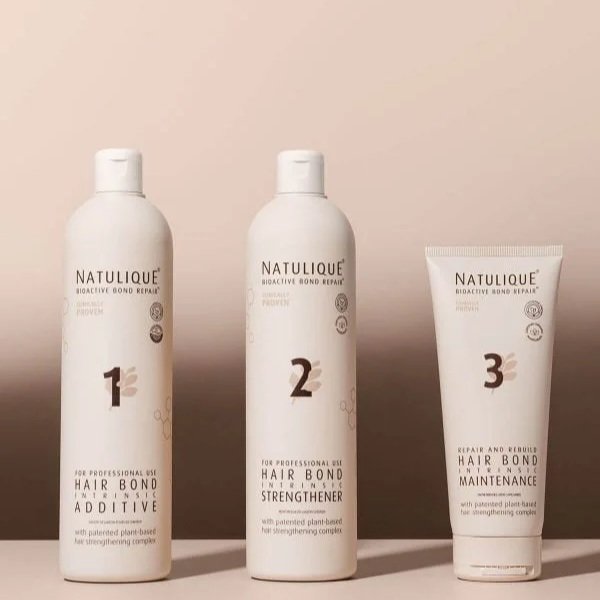
BIOACTIVE BOND REPAIR
Revolutionary reparative treatment.
To restore and rebuild damaged hair in 3 steps.
Introducing the NATULIQUE BioActive Bond Repair system, a revolutionary 3-step salon exclusive system that repairs broken bonds. Made with plant-based, vegan and certified organic ingredients.
The world’s first hair bond treatment that is naturally-derived, patented and developed in Scandinavia.
Vegan and cruelty-free.
Recommended for damaged hair or regular ammonia-based or mea-based hair colouring.
Safe for all hair types, including coloured and chemically treated hair.
Repairs and strengthens hair from within, resulting in healthier, softer, and shinier hair.
Complete solution for repairing broken hair bonds.
Revolutionary 3-step salon exclusive system
Bond Repair Intrinsic Additive
A professional exclusive solution that repairs and rebuilds broken hair bonds from the inside out, using plant-based, vegan ingredients and maintain strength, health and manageability with a mild and fresh scent.Bond Repair Intrinsic Strengthener
A highly concentrated, plant-based mask that repairs broken hair bonds from the inside out, reduce breakage, adds shine, smoothness and intense moisture, developed specially to optimise multi-bond interactions, it contains patented bond repair complex, oils and extractsBond Repair Intrinsic Maintenance
Prolongs the salon result, leaving you with healthy and lusciously shiny hair. The patented complex heals broken bonds caused by heating tools, chemical services and hair colouring.
It’s been clinically proven to give 3x stronger hair after one treatment.
HAIR BOND STRENGTHENING SHAMPOO & CONDITIONER
NATULIQUE Hair Bond contains a hair stimulating rice protein complex which enhances the hair’s ability to bind moisture and aid in growth. It contributes to shiny, soft and healthy hair. Your repairing formula for damaged hair, infused with organic Aloe Vera, it promotes growth, soothes the scalp, and enhances moisture retention. Organic Açai adds shine for soft, healthy hair.
A shampoo for everyday use to repair damaged hair while cleansing.
STRENGHTENING FORMULA
Certified Organic Aloe Vera Leaf Juice
Moisturise and condition both hair and scalp promoting hair growth and improve the overall condition of hair and scalpCertified Organic Açai
Moisturises the hair with omega 3, 6, and 9 and vitamins A, B, C, and E. Heals, hydrates, balances, and restores dull hair so that it appears softer and shinier. High levels of antioxidants and amino acids also make it exceptional at protecting against environmental aggressors and inflammationCertified Organic Cucumber
Extremely moisturising and helps strengthen and repair hair.Hydrolysed Rice Protein & Hydrolysed Vegetable Protein
Small soluble protein molecules that can penetrate the hair shaft to stregthen and moisturise the hair from the inside out. Exceptional for treating damaged and broken hair. These proteins penetrate the hair shaft and strengthen the hair. They fill the gabs in the hair cuticle restoring the hair’s strength and resilience.

3 reason to love this new duo
Rice Protein complex
Hair Bond Strengthening Shampoo and Conditioner harness the power of a specialized rice protein complex. This technology strengthens hair bonds, repairs damage, and enhances the hair’s ability to bind moisture, resulting in revitalized and resilient strands. Your clients will experience a noticeable improvement in hair texture, manageability, and overall health.


Hair Loss
7 Hair Loss Causes and How to Treat Them. There are different reasons for hair loss. Identifying the cause can be an important step in figuring out how to stop it, as the cure often depends on the cause.
7 Hair Loss Causes and How to Treat Them.
What Causes It?
There are different reasons for hair loss. Identifying the cause can be an important step in figuring out how to stop it, as the cure often depends on the cause.
Genetics
The genetics you inherit from your parents are one of the most common causes. This cause is often called male-pattern baldness and female-pattern baldness. It happens gradually over time and does therefore get more common as we age. The hair loss happens in predictable patterns like a receding hairline, bald spots or thinning along the crown of the scalp.
Illnesses that Cause Hair Loss
There are different illnesses that cause hair loss. Here are some of the most common:
If you have diabetes, your body does not produce insulin or does not use insulin effectively. When you do not have insulin, sugar can build up in your blood. This excess sugar can damage the blood vessels that deliver oxygen to your hair follicles. And less oxygen means that less nutrients gets delivered to your hair follicles making the hairs fall out. Blood sugar swings can amplify inflammation.
Lupus is an autoimmune disease that can cause hair loss for 2 different reasons. One of them is inflammation around the scalp and hair follicles. The other is lesions that form and leave scars on the scalp. The scarring often damages hair follicles which results in hair loss.
Alopecia Areata is a common autoimmune disorder that often results in unpredictable hair loss. In most cases, the hair falls out in small round patches the size of a quarter. But in extreme cases it can lead to complete loss of hair. The condition can affect anyone regardless of age and gender, but most cases happen before the age of 30. There is no cure for Alopecia Areata, but there are treatments that can help the hair grow back faster and stronger.
Trichotillomania is a hair-pulling mental disorder. It involves recurrent and irresistible urges to pull hair from the scalp or other part of the body like eyebrows and eyelashes.
Autoimmune patterns can show up as -
sudden patchy loss
eyebrown or lash loss
rapid shedding with or without scalp tenderness
scalp that looks normal but hair is disappearing
Medications
Hair loss is very often a side effect of certain drugs. These drugs include chemotherapy for cancer, some arthritis medications, antidepressants and some medications to treat heart problems and high blood pressure.
Never stop taking any kind of prescriptive medications without them talking to your doctor.
Starting, stopping or switching your Birth Control can change the hair cycle, it doesn’t happen straight away
Stress
Hair loss can also happen after a stressful event and can be related to both physical and emotional shock. When the body is stressed it releases the hormone cortisol, which affects the hair follicle and results in shedding. Hair loss related to stress will typically happen at least 3 months following a stressful event. This type of hair loss is temporary.
Postpartum Hair Loss
Hair loss both during and after pregnancy is totally normal and happens to around 60% of new moms. It is caused by the hormonal changes happening in the body when pregnant. Postpartum hair loss is also related to stress, because giving birth is pretty traumatic. As the hormonal fluctuations are temporary, so is postpartum hair loss.
Nutrition
An unhealthy diet can result in hair loss because your body is not getting the vitamins, minerals and other nutrients is needs. For example, lack of protein in your diet can damage healthy hair and affect your body’s ability to build new hair follicles. Vitamin deficiency can affect both the number of new hair follicles and the thickness and quality of the individual hair strands. If Stomach acid is low, nutrient absorption can suffer. Hair is built from what you absorb, not what you buy! The scalp is skin and skin follows cut patterns so Poor gut health affects the hair more than people think.
Hair Treatments
There are different kinds of hair treatments in your salon that can be a little tough on your clients’ hair. Typically, treatments involving heat like hair straighteners, curling irons and blow dryers will damage the hair strand, causing it to fall out. It is therefore important that you use some kind of heat protection when using these tools. Make sure that the client is also using one when styling their hair at home.
How to Prevent Future Hair Loss
Quit Smoking/Vaping
Cigarette smoke contains toxic chemicals that causes the blood vessels to shrink and block the blood circulation to the hair follicles. If the hair follicles do not receive the necessary nutrients from blood, the hair will fall out. Less oxygen is delivered plus more oxidative stress, follicles do not love that enviroment.
Regular Scalp Treatments
Recommending your client to get a regular Scandinavian Scalp Treatment can really stimulate their scalp and hair follicles and keep them healthy and strong. A monthly treatment will clean the scalp of excess oil and build-up of product to let the scalp breathe. The nutrient rich ingredients from the products used during the treatment will both help hair regrowth and prevent future hair loss.
Diet
It is very important to consume a healthy, balanced and nutrient rich diet. This will contribute to the overall health of the hair and scalp. These foods have vitamins that are great for the hair:
Eggs (protein)
Berries (vitamin C and antioxidants)
Spinach (folate, iron, and vitamins A and C)
Fatty fish (omega-3 fatty acids)
Sweet potatoes (beta-carotene and vitamin A)
Avocados (vitamin E, fatty acids)
Nuts and seeds (vitamins E and B, zinc, fatty acids)
Sweet peppers (vitamins A and C)
Eating balanced and nutritiousness is more of a preventative treatment. If your client is already in a vitamin deficit and experiencing hair loss, it can be difficult to get a big enough amount through food alone. This is where supplements come in handy, as they will allow your clients to easily get a larger amount of vitamins than food can provide.
Reduce Stress
As hair loss can be related to stress, a logical treatment is to reduce stress. However, this is more easily said than done. De-stressing and relaxation can mean something different to everybody, but some good ideas can be:
Regular exercise
Music
Yoga
Meditation
Getting enough sleep (7-9 hours)
Be Gentle with Your Hair
Always advise your client to be gentle with their hair. Tight hairstyles like ponytails can really pull at the hair strands. Using a detangler when brushing their hair can also prevent them from pulling out a lot of hairs when brushing. Our Spray & Leave In Conditioner, Nourishing Hair Cream and Moroccan Argan Oil are perfect for this purpose.
As mentioned previously, heat can really damage the hair. To prevent hair loss, make sure that your clients are using a heat protectant like the NATULIQUE Heat and Sun Protector when using styling tools at home.
When to See the Doctor
As hair loss can be closely related to an underlying medical condition, it is important always see a doctor or a naturopath. Also, do not stop taking medications even if you have a suspicion that the medication is the root of the problem. Instead, ask your specialist for a different kind of medication without the side effects if possible.
‘Credit to Natulique for all this information’
Hair loss can feel frustrating, confusing, and often overwhelming.
Whether you’re noticing more shedding, thinning, or a change in your hair’s density — most people aren’t sure where to start or what actually works.
At Purelyou, we focus on supporting the hair from the root — using gentle, effective methods that help restore balance to the scalp and encourage healthy growth.
The key to improving hair growth isn’t harsh treatments or quick fixes.
It’s creating the right environment for your hair to grow.
This means:
supporting the scalp
strengthening the hair roots
improving circulation and nourishment
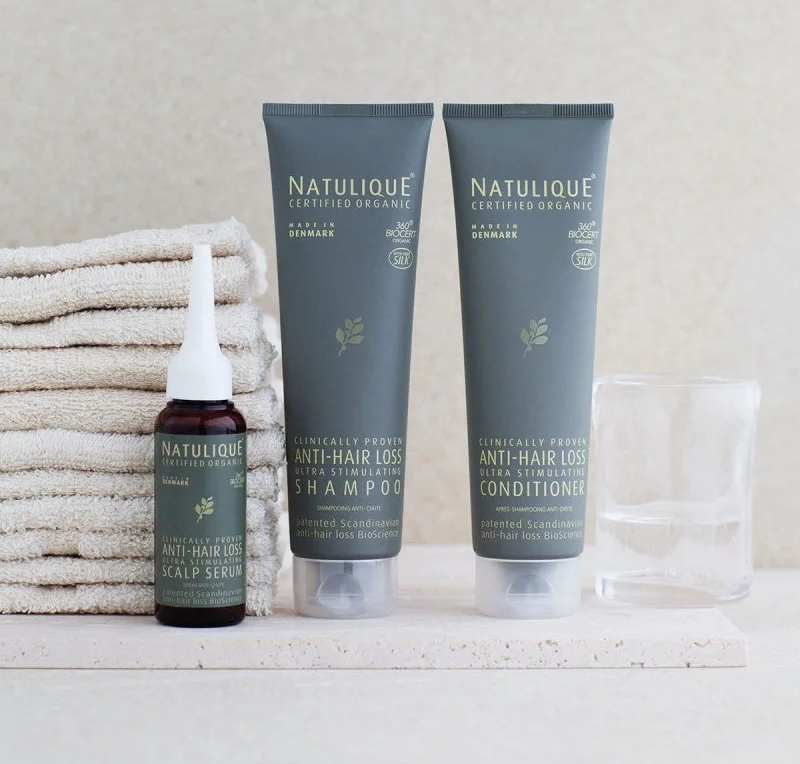
The NATULIQUE Anti-Hair Loss System uses a combination of natural ingredients and advanced bioscience to support hair growth in a gentle, non-damaging way.
Rather than forcing change, it works with your hair by:
helping reduce the effects of DHT (a common cause of hair loss)
strengthening the hair follicles
encouraging new growth over time
KEY INGREDIENTS
This system combines:
Certified organic ingredients like Aloe Vera, Olive Oil, and Almond Oil to nourish the hair and scalp
Botanical extracts like Ginger and Rosemary to stimulate circulation
Advanced actives that support stronger, thicker hair growth
With consistent use, clients often notice:
less hair shedding
stronger, thicker-feeling hair
improved scalp health
gradual, natural regrowth
The system includes:
Shampoo → cleanses and stimulates the scalp
Conditioner → strengthens and nourishes
Serum → deeply penetrates to support hair growth at the root
Together, they create a simple routine that supports healthier hair over time.
This is ideal if you’re experiencing:
thinning hair
increased shedding
weakened or fragile strands
scalp imbalance
Hair loss isn’t something you need to “fight” aggressively.
It’s something you support consistently.
With the right approach, your hair can become stronger, healthier, and more resilient over time.


Shampoo as least often as you can.
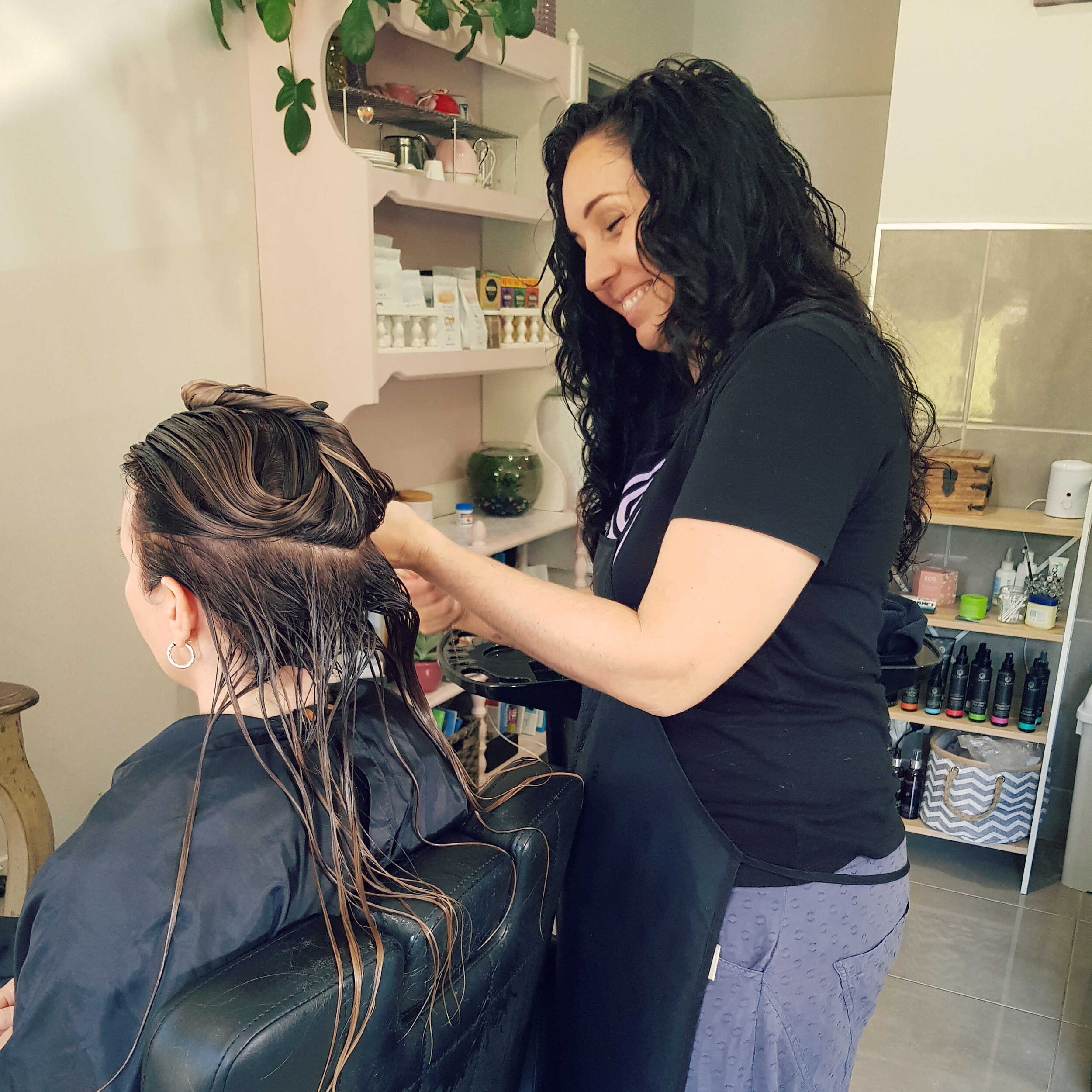
Shampooing strips your hair of its natural oils and fades your colour.
Shampooing strips your hair of its natural oils and fades your colour.
When you shampoo you should only shampoo your roots, as you rinse it is enough to clean your ends. Always shampoo twice. Shampoo lifts up products, dirt and oil (it is also good to give your scalp a good brush before shampooing, this is the only time my hair gets brushed as brushing makes your hair fluffy especially if you have movement in your hair. I run my fingers through to get rid of any knots).
The second shampoo cleans your hair (this shampoo should be half the size of your first shampoo) and by doing two shampoos your hair should be cleaner and need redoing less often.
If you find you have oily roots and have been shampooing your hair too regularly you will have over stimulated the oil glands which will over produce oil, making your hair oilier. To settle these glands down you do need to give your hair a break from shampooing as often.
I used to wash my hair twice a week, but when I was pregnant with my third baby I was so sick and tired, I did not have the energy to shampoo my hair and blow dry, so every night I would give my scalp a good brush to distribute the oil through my hair instead of it sitting on my scalp. For work, I would then create a 5 second messy bun on the top of my head (I think this is how I wore my hair for my whole pregnancy and then the first few months with my newborn). Now I can leave my hair up to 2 weeks without shampooing (I think once I even left it for 3 weeks unintentionally!). Now this might sound almost neglectful, but I still give my hair a good rinse in the shower and condition the ends twice a week. You will soon realise that your hair can feel clean and refreshed without shampooing.
Curly/wavy/frizzy and dry hair especially doesn’t need to be shampooed as often as you may think. If your hair doesn’t feel dirty/oily don’t wash it! Curls sit so much nicer when it's not freshly washed. If you’ve gone for a workout a good rinse and light condition is enough.
Rinse in cold water.
Cold water closes the cuticle down even further which will make your hair sit smoother. Style as normal, you will still need to add some more after products for example, leave in conditioner and a styling hold.
Fine hair is a bit different as it can go flat quickly, but just try wetting it and then re-blowdrying , maybe skip the conditioner part and then add a little more volumising product on your roots. It is a bit of trial and error to see what works best for your hair type.
Buy the best hair care range you can afford.
The cheap ones are just filled with detergents and harsh chemicals, by investing in a good quality organic care range you will not be absorbing all the nasties and your hair will be treated to it's specific needs, It definitely pays to invest in quality product especially if you don't have thick shiny straight hair.
Buy shampoo to suit your roots, ie - for fine hair, buy a volumising shampoo and buy conditioner to suit your ends; for dry ends, buy a moisturising conditioner.
Hope this has helped. xo
Shan
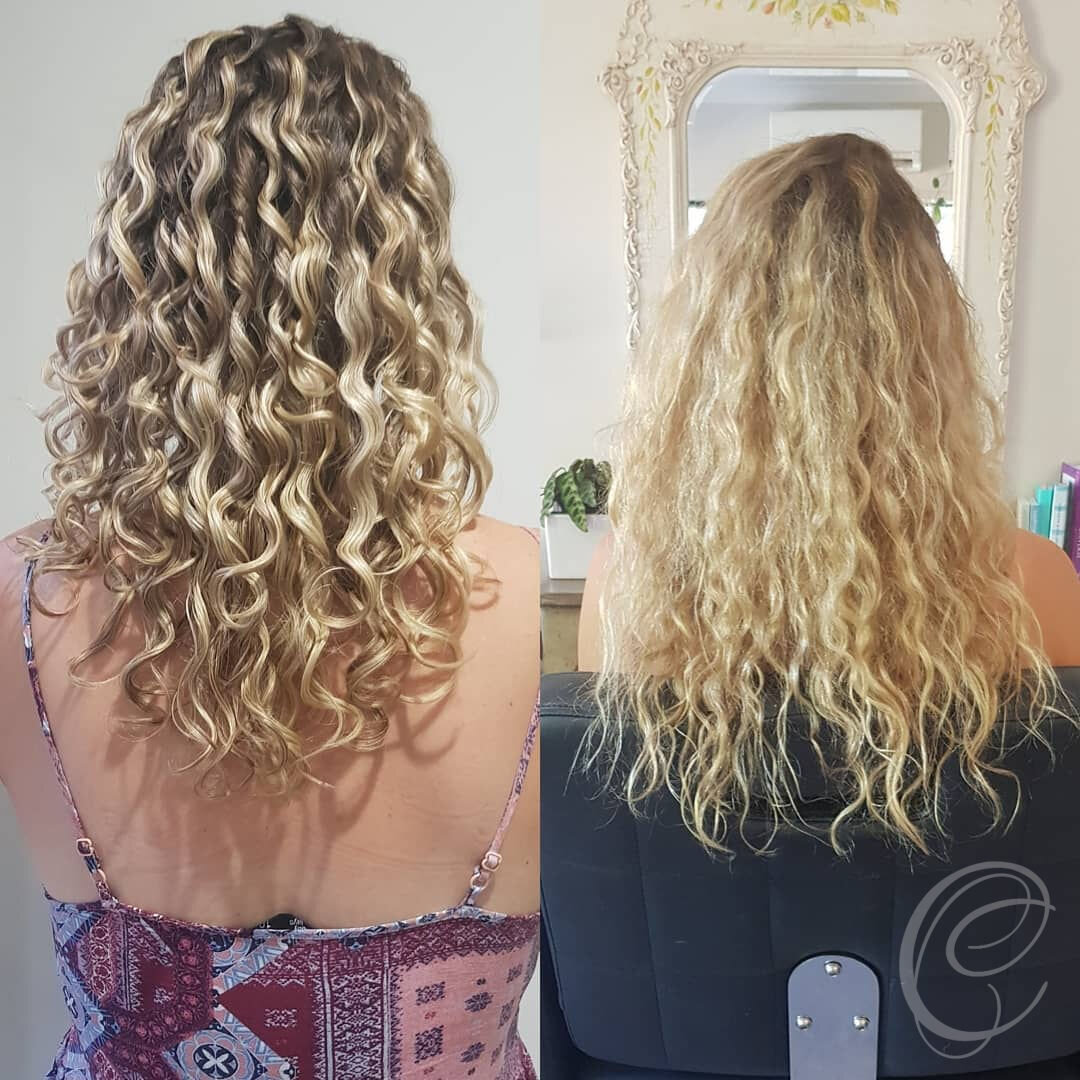
Curly hair shouldn’t be complicated.
Your curly hair routine should be as simple or complicated as your lifestyle will allow.
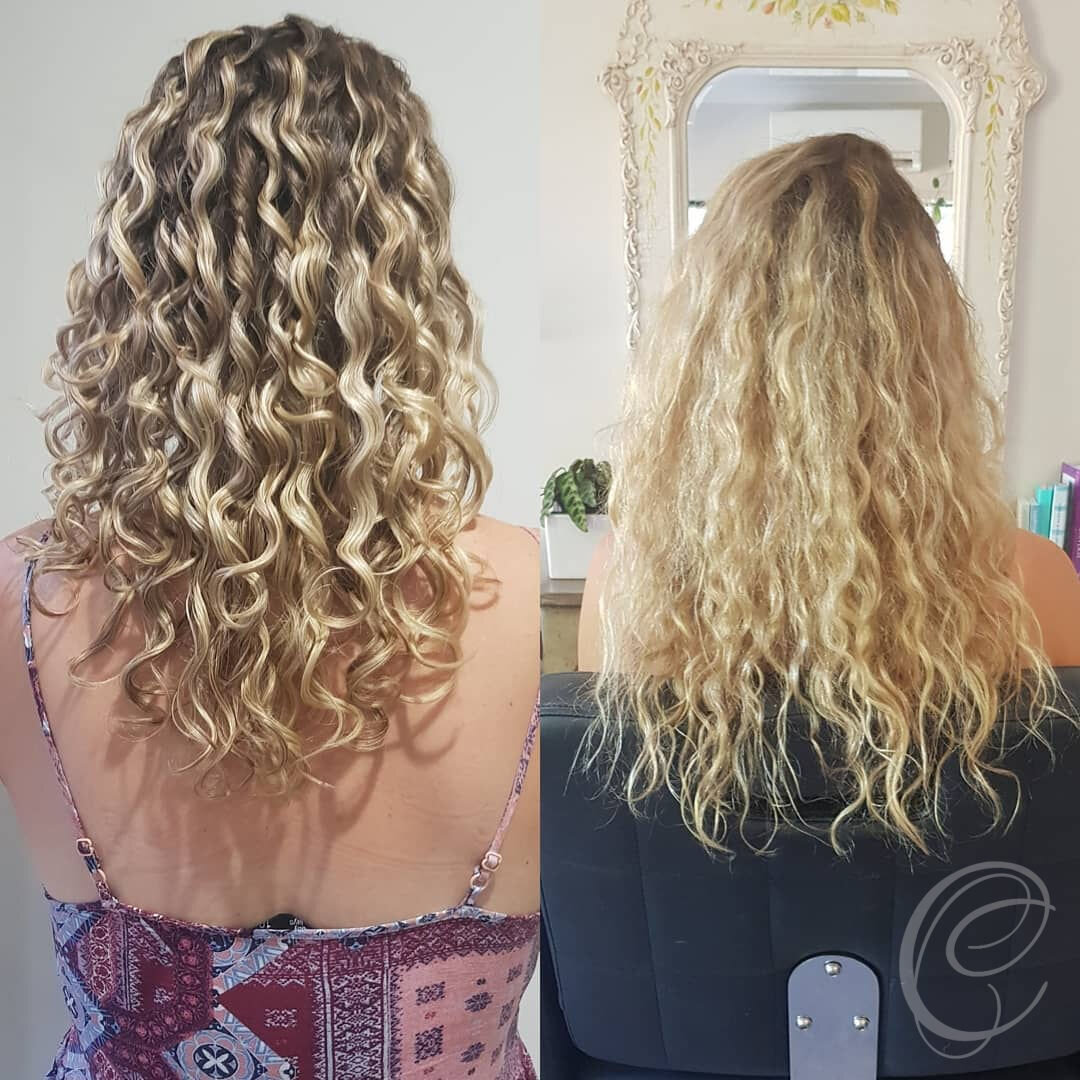
With so much knowledge on the web these days between Curly FB pages, YouTube, Google and other people’s opinions it’s sometimes very overwhelming especially if you’re starting out on the curly journey. Your curly hair routine can be as simple or comprehensive as your lifestyle will allow.
Hair just needs to be Cleansed & Hydrated
Between 3 – 7 products are needed to get great curls:
Sulfate free shampoo
Paraben free conditioner
Base Gel
Topper/s
Refresher
Hairspray
The difference between expensive products and cheaper supermarket brands is the quality of ingredients and the manufacturing process of making the product easier to absorb into the hair.
The Curly Girl Movement has brought in a lot of different terminology for hair. The first concept I will talk about is co-washing. There has been a lot of confusion and guilt around shampooing. I believe in shampoo, but when I say shampoo I mean “low poo”.
I have been sulfate free and using organic ingredients for 17 yrs. Co-washing to me is like washing your body with moisturiser, it is not what it is meant for. In saying that, I only shampoo my hair once every 3 weeks which I have done for 6yrs now. The weeks in between, I do wash my hair but I cleanse with friction and water, giving my scalp a good scrub under the shower for 2 to 3min with my finger tips.
Water and friction is enough to cleanse but shampoo just helps the process
The purpose of shampoo is to open the cuticle so your hair is cleaned and cleansed to be able to absorb and retain water. With added conditioner -
Moisture based Conditioner – Contains water loving ingredients which help to retain the moisture.
Protein Conditioner – helps rebuild the strength structure and bonding the cuticle to the hair strand.
Conditioning is the process of just closing down the cuticle, running conditioner over your hair and rinsing.
Hydration is the process of squeezing and squishing the conditioner and water into the centre of each hair strand and locking this into the hair.
Hydration is not just for curly hair, straight hair and slightly wavy hair can all benefit with hydration especially if it’s coarse or frizzy. Frizzy hair is just the hair lacking moisture.
Even though I say all this, I do respect co-washing if that’s what you choose to do and are having no issues. Just please know there’s not one way to look after curls, each curl specialist has their own technique or method. I have taken techniques from all of the specialists I have trained with and created my own method that resonates with our climate. You’ve got to find out what works for you as it all depends on your porosity, texture, density, lifestyle & environment. Your type of curl has nothing to do with how to look after your hair I’m sorry to say. You can have two people with exact same curl pattern that have different texture, density and live in different parts of the country so will need different products or use different techniques.
Once you have hydrated your hair you need to seal all the goodness in, using a water based gel to trap in the water and conditioner.